

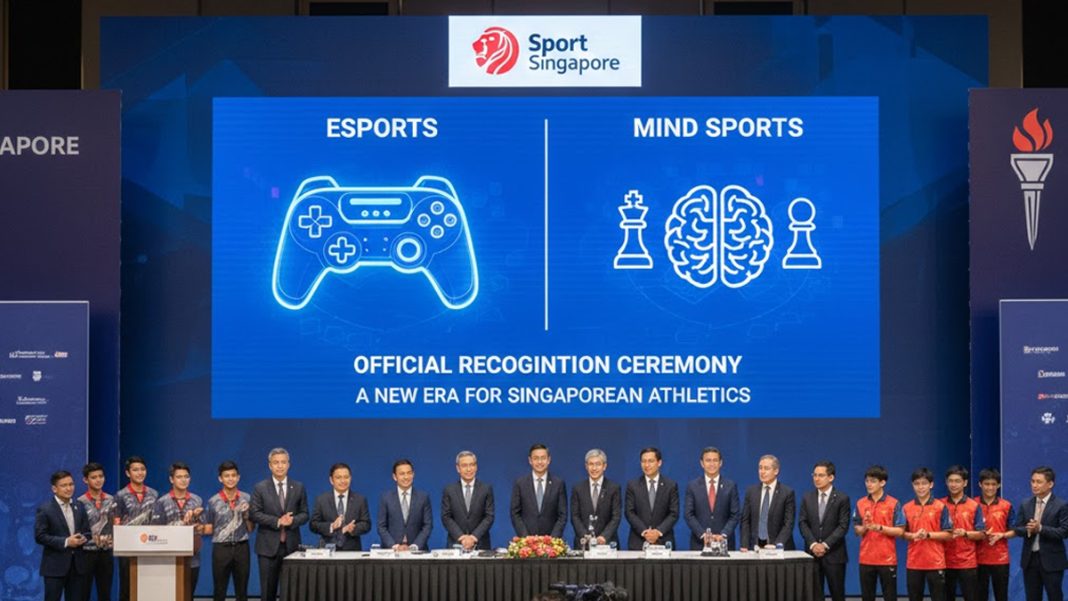
People probably make fun of the fact that Singapore officially calls esports and mind sports like chess “sports.” I understand. But listen to me: this really is more important than you might think.
Yes, some of it is just language and red tape. But Singapore is also facing the truth, while other countries are still acting like competitive gaming is just kids wasting time. Sometimes, the only way to get ahead of the competition is to be early to obvious trends.
How did esports get so big so quickly?
To be honest, esports grew faster than most people thought it would. We went from guys having LAN parties in someone’s basement to tournaments worth billions of dollars with huge prize pools and millions of people watching around the world. That happened, like, fifteen years ago? When you think about it, that’s crazy.
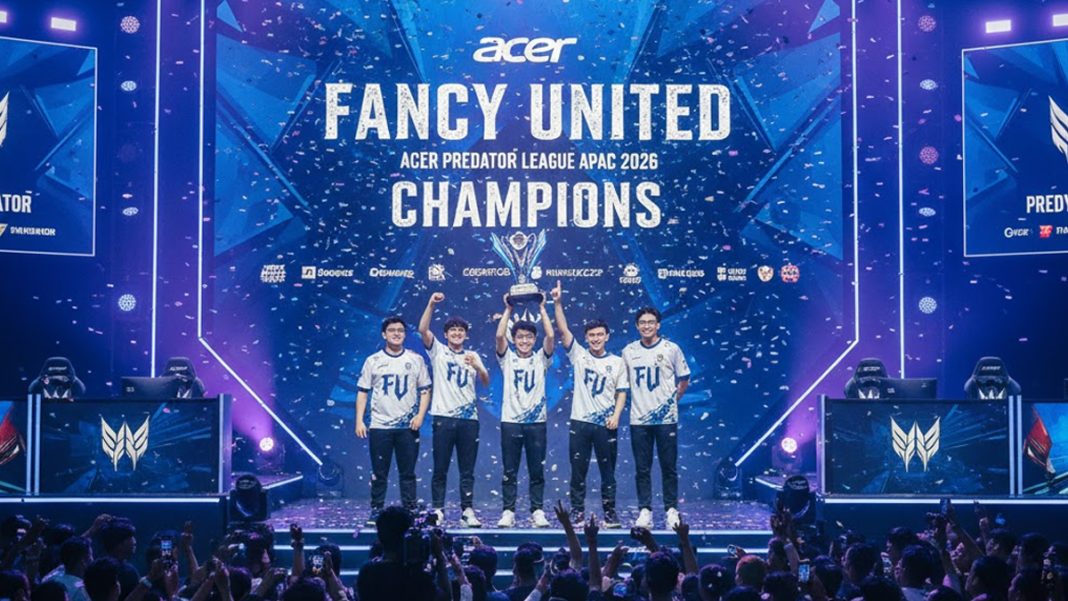
Professional esports players now train like athletes in the Olympics. They have coaches, nutritionists, analysts, and set practice times. Big companies spend millions. Sponsorship deals are as big as traditional sports. The infrastructure around competitive gaming, like streaming services, tournament venues, and media coverage, is very advanced.
There are huge competitive scenes and dedicated fanbases for MOBAs, shooters, battle royales, and sports sims. This stopped being “kids playing games” about ten years ago, but a lot of people still think that way.
Singapore’s decision to make this an official sport means that competitive scenes can grow in a planned way by giving people access to things like development programs, proper training facilities, government support, and youth pathways. The things that set professional fields apart from hobbyist scenes.
Why Mind Sports Are Important Too (And Always Have Been)
The recognition included chess, go, and bridge. They’re old compared to esports, but putting them in the official “sport” category is important because it shows that competition isn’t just physical.
Think about what it takes to be a top-level chess player: crazy strategic thinking, planning twenty moves ahead, remembering thousands of positions, keeping your cool during brutal five-hour matches, and mental strength that would break most people. What else could that be but a sports competition? You can still compete at a high level even if you’re not running.
It’s always bothered me that golf is a sport but chess isn’t. Singapore at least agrees that if we call activities that need discipline, training, and high-level performance “sports,” the need for physical activity is arbitrary. Mental competition matters.
What Really Changes When You Get Official Recognition
Money and things. Sport status opens up funding sources, grants, and structured programs that weren’t available before. Suddenly, esports teams and chess players can get help from the government, use training facilities, and get money for development. That’s not just a symbol; it’s real resources that let people compete in these events.
Legitimacy in culture. This is very important for esports in particular. Parents still tell their kids that playing video games is a waste of time. That story changes when it gets official recognition. It doesn’t say “stop playing games and do homework,” it says “this is real competition that needs discipline and skill.” Official validation makes it much easier for young people who want to take esports seriously to get their families and friends to accept it.
Putting education together. Colleges and schools can now see esports as a real, organized activity. With official sport status, varsity programs, scholarships, and organized competitions all become more possible. That makes it easier for talented players to find jobs that didn’t exist before in structured ways.
Singapore is thinking about the long term. This
This fits with trends around the world. The Asian Games have esports. The IOC talks about including the Olympics in a serious way. More and more, young people are interested in digital competitions than in traditional sports. For younger people, gaming is more than just a way to pass the time; it’s a way of life.
It’s smart for Singapore to position itself as the esports hub of the region while its competitors argue about the validity of the claim. This fits with their identity as a tech-forward nation. And there’s a clear economic reason: esports makes a lot of money through tournaments, sponsorships, streaming, making content, selling hardware, and event tourism. Getting official recognition makes it easier to get that business.
Mind sports also help in the same way. Streaming and online platforms that reach younger audiences made chess especially popular again. Recognition makes it possible to have organized competitions, talent pipelines, and better representation on the world stage.
The Catch: Being Legitimate Means Being Responsible
But this is where I start to worry. Taking athlete safety seriously means making these sports real, and esports in particular has real problems.
Addiction to screen time, mental health problems from pressure to perform, physical problems from sitting around too much while training, and burnout are all real problems in professional gaming. You can’t just make the industry seem more real without talking about the bad parts. Singapore needs to keep up with programs for player health, healthy training standards, and mental health support.
The same goes for mind sports. During long chess tournaments, the mental stress on players is very high. If you want these to be elite sports, you need to provide more than just prize money and recognition. You also need to provide mental health support.
If recognition is only symbolic, it doesn’t mean anything. Singapore better be making real athlete welfare systems along with this official designation, or they’re just making things harder for themselves in the future.
The Bigger Picture: This Is Hard for Everyone
Singapore isn’t the first country to do this, but it is one of the biggest markets to do so. As digital competition becomes more important around the world, especially for younger people, countries that embrace it early on have an edge in business growth, talent development, and economic opportunities.
There is a split in traditional sports groups. Some people like esports, some don’t, and most are somewhere in between. Singapore made a clear choice to embrace. Some people might see it as visionary or just a practical recognition of clear trends, but it’s definitely a planned move.
My Real Opinion (With Some Conflicting Thoughts) This seems both silly and important, which probably means it matters more than it seems at first.
Part of me doesn’t want to call mouse-clicking and moving chess pieces “sports” because I grew up with definitions that stressed physical activity. Yes, for sure. The language purist in me hates it when definitions get longer.
But that’s nostalgia getting in the way of logic. We already call shooting, curling, and golf Olympic sports. It’s not fair to say that esports or chess don’t count because they don’t require a lot of physical effort. Sports are more than just sweating. They are about competition, skill development, strategic mastery, and performing under pressure.
And from a practical point of view, it seems pointless to fight semantic battles while the industry grows at an incredible rate. Singapore’s choice to adapt, which has always been better than fighting back.
What This Actually Means: For people who want to compete in esports or mind sports, this gives them real structural support, real career options, and social acceptance, not just symbolic validation. That’s a big change in people’s lives and chances.
Singapore is showing how traditional systems can change to fit new competitive forms without seeing them as threats to traditional sports. Both exist at the same time. Both should get help from the government.
Whether other countries follow suit or continue to debate the legitimacy of gaming as genuine competition will dictate who strategically positions themselves in burgeoning industries and who remains stagnant, defending capricious definitions.
Singapore has made their choice. Even though the “sport” label sounds strange to some people, they are probably right that betting on the growth of esports and mind sports is better than betting against it.
Singapore just made it official: competitive gaming and intellectual competition are real. Even if it’s just one country’s policy choice, that’s not nothing.
Use it wisely, ask for similar recognition in other places, and hopefully other places will follow Singapore’s example instead of arguing about words while they miss out on chances.