


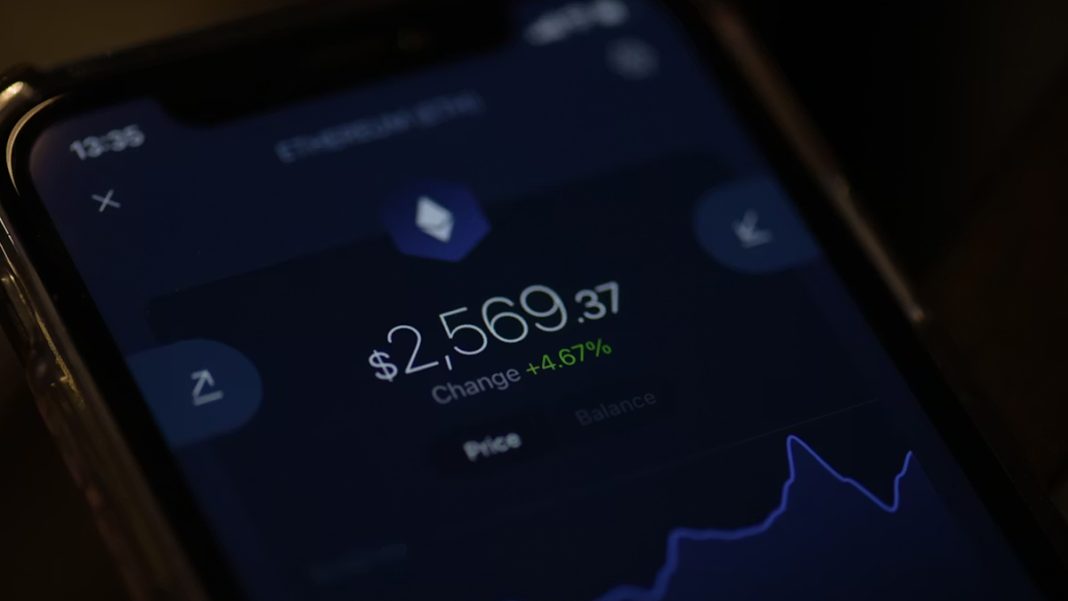
Let’s be honest: trying to understand the crypto market right now is like drinking from a fire hose. There are thousands of tokens out there, and each one is said to be the next big thing. The whole market changes faster than you can refresh your portfolio app.
This is where this new crypto index comes in. It’s basically trying to cut through all the noise and give investors something real to hold on to. Consider this: the world of cryptocurrency has become very complicated. Tokens are popping up all over the place, each one promising new ideas and big profits. Prices, on the other hand, change a lot depending on what’s popular on Twitter (sorry, X) or what an influencer said last night. For regular investors who are just trying to figure out what’s going on, it’s become really hard to handle.
So what does this index really do? It doesn’t just throw darts at a board; it uses real metrics to put together a group of digital assets. These metrics include market cap, trading volume, actual network usage, and whether or not they’ve shown any staying power. The whole point is to give you a real picture of what the market is doing, not just what people are talking about. The people who made this believe that crypto needs solid benchmarks, just like traditional markets have always had. For decades, stock investors have used indices to figure out if they’re doing well, managing risk well, or if they should change their strategy. Crypto? Not really. People have been putting together bits of information from all over the place and trying to make sense of it on their own. The index also helps with emotional investing, which is another issue. We’ve all seen it happen: a coin suddenly goes up 50%, and everyone rushes in, or some bad news comes out and everyone sells in a panic.
You can tell if that crazy price change is part of a bigger trend or just random chaos when you have an index to look at. It helps you step back and think about the big picture instead of always reacting. They also value openness, which should have been the norm from the start. It’s easy to see how they choose and weigh different assets. No secret formula, and no bias against certain coins. They rebalance on a regular basis to keep up with changes in the market, but not so often that it doesn’t matter. The timing is also pretty interesting. It’s 2026 now, and crypto is definitely getting better.
But it’s still crypto, so it’s still really unstable. But more organizations are getting involved, regulators are paying more attention, and people’s expectations are changing. Many investors want tools that are more like what they would use in traditional finance, but they don’t want to lose what makes crypto special. This could be very helpful for beginners. Instead of rushing into a sketchy altcoin just because you see it all over social media, you could watch how a wide range of coins move over time. Learn the ropes without going broke. Even experienced investors might find it useful for checking their facts. Are you really getting good returns because you’re making smart moves, or are you just going along with the market? It’s time to rethink your strategy if you’re not doing as well as the index. If you’re beating it, you can be more sure that you’re on the right track.
There’s also something bigger going on here. In the early days of crypto, it was all about moving quickly and breaking things. Experimentation was the most important thing. But as the industry grows up, people are starting to want more structure, more responsibility, and better tools for staying in the game for a long time without getting burned. Not everyone agrees with this idea, of course. People who don’t like indices say they can’t show everything that makes crypto interesting. They are worried that adding assets to an index will only make the already big players even bigger, while smaller projects with really cool technology will be overlooked because they don’t have a big enough market cap yet. But the people who made the index don’t agree.
They don’t say they can find the next moonshot. All they want to do is give you a point of reference. Stock indices don’t show you every opportunity in the stock market either. They are meant to be used with your own research, not instead of it. If this becomes popular, it could change a lot of things in the industry. You’d probably start to see index funds, new portfolio tools, and better analytics. In short, crypto would become more like traditional investing.
This might also be something that regulators like. It is easier for them to keep an eye on things and protect consumers when they have clearer information about how the market works. Standardized benchmarks help them find systemic risks and see how concentrated the market really is, which is more important as crypto grows. This index exists because confusion has become a real problem at the end of the day. People want to get into crypto, but they don’t know how. Volatility isn’t going away; that’s just how it is. But if people had a better understanding of it, they might be able to deal with it with more realistic expectations and real discipline instead of just gambling and hoping.
As cryptocurrency continues to change, tools that help people really understand what they’re doing (instead of just getting them to guess wildly) could be what moves the space forward. Is this index going to be the one that everyone uses as a standard? It’s hard to say. But the fact that it exists at all shows that the market is getting more mature. For people who are tired of looking at charts, reading about ten thousand different tokens, and trying to figure out whose opinion to trust, the pitch is simple: here’s a clearer way to see this market. At the very least, it’s better than walking around in the dark and hoping you don’t trip over something.