

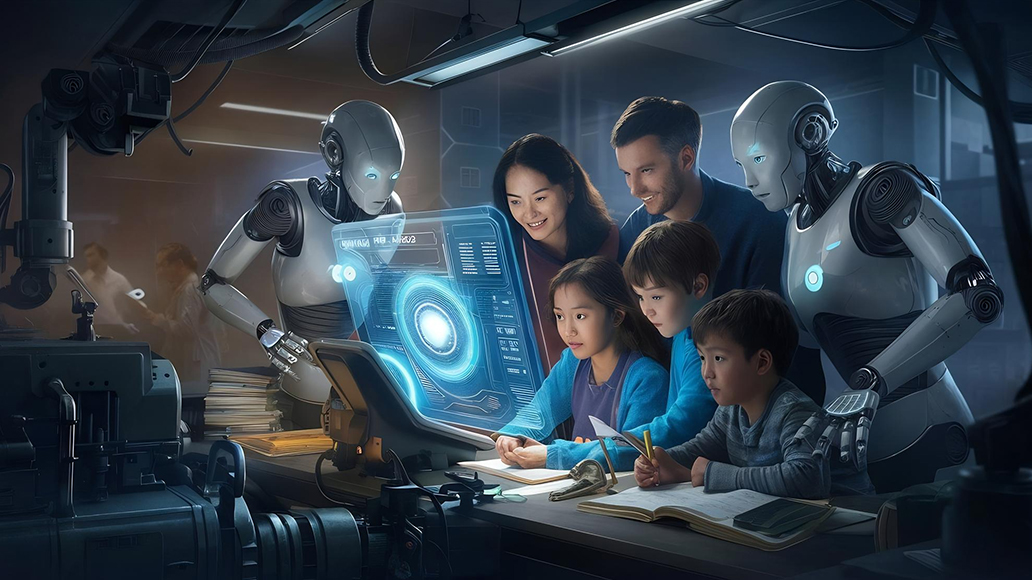
Robotics is revolutionized by machine learning, where computers learn from experiences. Algorithms process large amounts of data, allowing robots to learn. Programmers design neural networks that mimic the processes of trial and error. Robots can now navigate uncertain environments, learning from experiences.
Programmers use reinforcement learning, rewarding robots that perform well. A robotic arm picks delicate objects, learning from each dropped object. It improves over time, mastering the task by reducing errors by 90%. Factories use such robots, increasing efficiency without requiring constant human input.
Programmers use sensors that collect data in real time. Cameras help robots detect obstacles. Lidars help robots create 3D environments. They process the information, making predictions before making movements. Drones avoid birds in flight, learning from simulated millions of scenarios.
There are still challenges in the use of machine learning in robotics. However, there is rapid progress in the field. Previous robots were affected by catastrophic forgetting, where robots forgot previous skills to learn new ones. Programmers use techniques that allow robots to learn continually.
Real-World Triumphs: Robots Mastering Human Domains
Humanoid robots such as Boston Dynamics’ Atlas robots perform acrobatics that have been honed through machine learning. It can balance on uneven terrain, fall over, and then learn from the experience.
Self-driving cars are the application of machine learning and deep reinforcement learning. Tesla cars collect petabytes of data daily. Machine learning helps the cars understand the complexities of the road, from erratic cyclists to rain.
Healthcare robots benefit from the combination of machine learning and deep reinforcement learning. Soft robots assist stroke patients with the help of soft exoskeletons. Machine learning enables the robots to learn the gait patterns of the patients.
Ethics is the driving factor for the advancement. Programmers add ethics to the code to avoid any form of bias from the data it was trained on. Transparency is also added to the code to help the human mind understand the decisions made. This is to help the human mind trust the robots.
The future is bright. Swarm robotics uses drones to help in times of catastrophe. It learns from simulated quakes to find the optimal search route. Collaborative robots assist humans in warehouses. It learns from the behavior of the human mind to anticipate what the human might need. Machine learning turns a novice into an expert overnight.
This is the beauty of the future. The robots learn from experience. This is the same concept that evolution was founded upon. Programmers design robots that get smarter every day. It’s time to get into the future. It’s time to get into the world where robots redefine what it means to be capable.
Read More: New ML Framework Introduced to Power Intelligent Applications