


Have you been ignoring that Garmin feature? It Turns Out It’s Really Smart
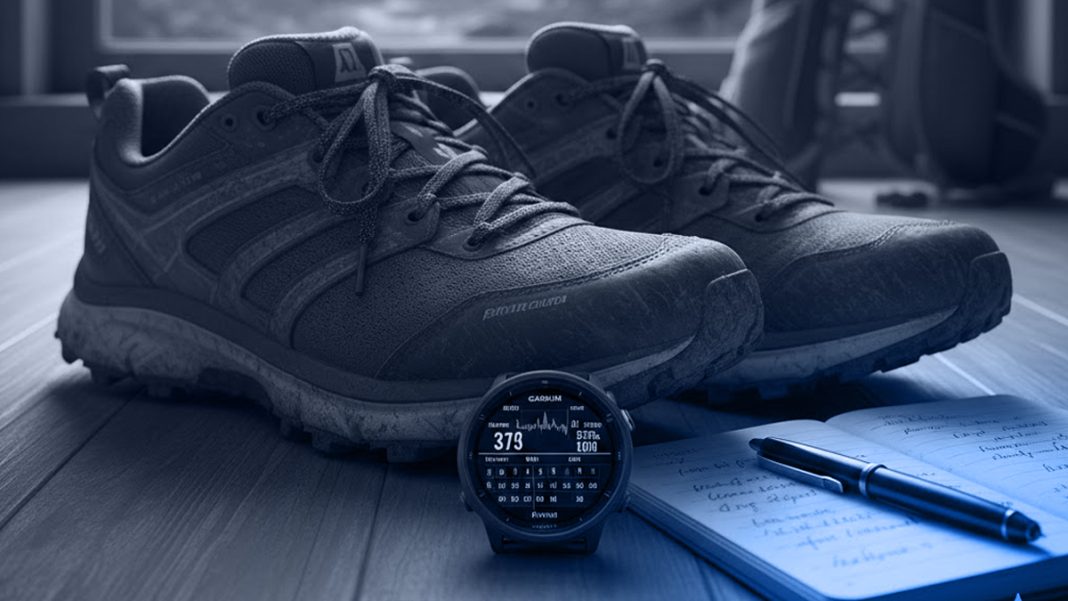
Most runners are obsessed with keeping track of everything, like their distance, pace, heart rate, calories burned, cadence, and recovery times. We have so much data that it hurts. But a lot of runners completely ignore this one very simple Garmin Connect feature until they finally try it: gear tracking.
And the response is almost always the same: “Why the hell didn’t I start doing this years ago?”
The Issue That No One Talks About Enough
Here’s what happens to almost every runner: their shoes wear out, but they don’t realize it until their knees start to hurt, their heels hurt, their shins feel tight, or running just feels harder than it should. You might think you’re getting sick or losing fitness, but really, your shoes are just worn out.
What makes it hard? Shoe wear happens slowly and without you knowing it. The outsole might look fine. But the midsole foam is losing its cushioning and responsiveness long before the shoe looks worn out on the outside. If you don’t keep track of how many miles you’ve driven, you won’t know when to replace them. Most runners keep wearing shoes long after they should because they still look good on the outside.
When you think about it, that’s really dumb, but we all do it.
What Gear Tracking Really Does
It’s very easy to keep track of your gear with Garmin Connect. You put your shoes into the system and assign them to each run. Garmin then adds up the distance you’ve run in that pair. You can see a clear history after a few weeks. After a few months, the data becomes very useful because you can see exactly how much wear each pair has gotten.
This is especially useful if you switch between shoes often, which you probably should do. You might have one pair of shoes for easy runs, another for speed work, and lighter shoes for races. Rotating can lower the risk of injury and boost performance, but it makes it harder to keep track of wear. One pair could quietly go 500–700 km without you even knowing it. Gear tracking puts it right in front of you.
Making Plans Instead of Rushing
No one wants to have to buy new shoes the week before a marathon because they finally admitted that their old pair is dead. It’s not smart to buy new shoes when they’re completely worn out; it’s smart to buy new shoes when they’re getting close to that point.
Tracking lets you buy replacements early, break them in right, and avoid last-minute surprises before big races. That’s just basic planning, but you can’t do it well if you don’t know how far you’ve gone.
Finding Out What Works for You
You begin to see patterns in your own data over time. One shoe model might start to feel bad after 450 km, while another might stay comfortable for more than 700 km. Some shoes might feel great for long runs but terrible for speed workouts.
This information is much more useful than reading reviews online because it takes into account your own biomechanics, running style, and tastes. Something that works for a random person on the internet might not work for you. Your own data is true.
The Money Side
If you want to buy good running shoes, they can be very expensive. If you change them too soon, you’ll be throwing away money. If you wait too long to replace them, you’ll have to pay for it by recovering from injuries, going to physiotherapy appointments, or missing training time because you’re hurt.
Tracking your gear can help you find the right balance between cost and performance. Instead of taking a chance on whether your shoes are still good or secretly hurting your knees, you’re making smart choices.
Not Just Shoes: Garmin lets you keep track of other gear too, like watches, heart rate monitors, and cycling gear if you like to do triathlons. Most people only keep track of their shoes, but keeping track of other equipment can help you see when things need to be replaced or serviced.
This Feels Like Unlocking a Cheat Code
The best part is that it gets easier once you make it a habit. You’re not typing anything into a spreadsheet by hand. When you upload your run, you just choose the shoe, and Garmin takes care of the rest. Little work, big benefits in the long run.
Almost everyone who starts using it again after years of ignoring it says the same thing: it feels like finding a hidden upgrade in a game you’ve been playing for a long time. It doesn’t magically make you faster overnight, but it does make you more consistent, more aware, and less likely to get hurt because your shoes are worn out.
My Real Opinion
For about three years, I didn’t pay attention to gear tracking. It seemed like a waste of time because I could just remember when I bought the shoes and guess when they needed to be replaced. But I really couldn’t do that for sure, and I definitely ran on dead shoes more than once without realizing it until something started to hurt.
I finally set it up right, and I can’t imagine not using it. I can’t believe I lived without it before. The information is just sitting there, waiting to be useful, and it’s being collected automatically. It feels like a waste not to use it.
The Bottom Line
Garmin gear tracking is one of those easy-to-use tools that gives you a lot more value than the time it takes to set it up. It helps you stay organized, make better choices about your gear, avoid getting hurt from worn-out shoes, and stop spending money on new shoes or medical bills from running on dead foam.
If you haven’t been paying attention to it like most runners do, give it a real try. Add your current shoes, start giving them to runs, and check the totals from time to time. In a few months, you’ll probably feel the same way everyone else does: “I really wish I’d been doing this for years.”
Because, to be honest? You probably should have been.
Social Media Caption
Tracking pace is cool… but tracking shoe mileage is NEXT LEVEL 👟✅
Just started using Garmin Connect gear tracking again and bro… I wish I did this years ago 😭🏃♂️
No more guessing when shoes are done.