

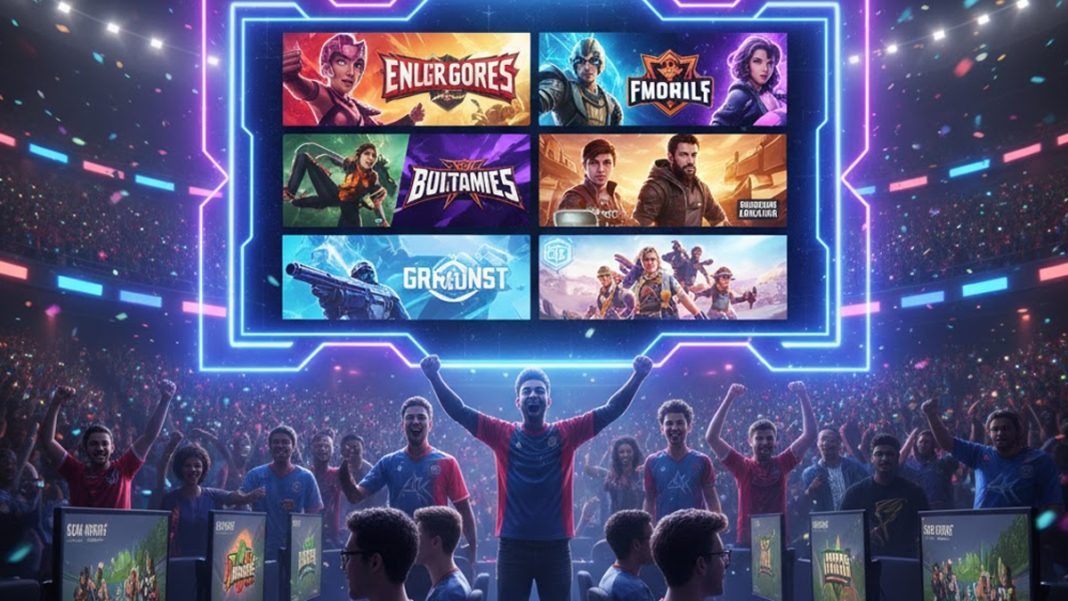
The Esports World Cup Foundation has revealed the first eight games for the inaugural Esports Nations Cup 2026, a groundbreaking nation-based tournament running November 2-29 in Riyadh, Saudi Arabia. The announcement marks one of the most ambitious attempts yet to bring Olympic-style national team competition to esports at a global scale.
The confirmed titles span an unusually broad range of competitive genres: Chess, Counter-Strike 2, Dota 2, EA SPORTS FC, FATAL FURY: City of the Wolves, Honor of Kings, Mobile Legends: Bang Bang, and Trackmania. Eight additional titles will complete the 16-game lineup in coming weeks, with qualification pathways opening for national teams worldwide.
What Makes This Different
Most major esports tournaments are organized around clubs and organizations—teams with brand identities, sponsor relationships, and regional league affiliations. The Esports Nations Cup flips that structure entirely. Players compete under their national flags, creating a fundamentally different emotional dynamic for both participants and spectators.
National anthem ceremonies, flag representation, and the straightforward patriotic narrative of competing for your country are formats that traditional sports have used for over a century to build mass audiences. Esports has largely operated without this structure, which has limited its appeal to audiences beyond existing gaming communities. The ENC is testing whether national representation can replicate that broadening effect for esports.
The four-week Riyadh format guarantees a minimum of three matches per finalist, building the kind of sustained storylines and rivalries that make tournament narratives compelling beyond individual match results. A team’s journey through the bracket, the drama of elimination rounds, and the national stakes attached to each result create content that resonates beyond the core esports audience.
The Title Selection Strategy
The eight confirmed games reveal a deliberate diversity strategy that goes beyond simply picking the most popular esports titles.
Chess is the most unexpected and arguably most strategically clever inclusion. It bridges the gap between traditional competitive gaming and digital esports, bringing credibility with mainstream sports audiences while tapping into Chess.com’s massive user base and the renewed mainstream interest in competitive chess driven by streaming and high-profile tournaments. Nations with strong chess traditions—India, Russia, the United States, and many Eastern European countries—suddenly have natural entry points into the ENC.
Counter-Strike 2 and Dota 2 represent established PC esports with deep competitive histories and passionate global fanbases. Their inclusion validates the tournament’s credibility within traditional esports communities.
EA SPORTS FC brings football simulation and the massive global football audience that comes with it. For many countries, football is the only sport with true national-level emotional investment, and a football simulation representing your nation carries genuine resonance in markets where other esports titles have limited penetration.
FATAL FURY: City of the Wolves marks SNK’s return to relevance in fighting games, riding the genre’s resurgent competitive scene. Fighting games have historically strong national team traditions through events like the SNK World Championship, and FATAL FURY’s inclusion signals the tournament’s intention to represent the full breadth of competitive gaming culture.
Honor of Kings and Mobile Legends: Bang Bang together cement mobile esports as central rather than peripheral to the tournament’s identity. Both titles have enormous player bases across Southeast Asia, South Asia, and the Middle East—precisely the regions where mobile-first gaming ecosystems have developed most robustly. Their inclusion ensures the ENC isn’t a tournament designed primarily for PC gaming markets.
Trackmania’s 1v1v1v1 racing format with 32 national representatives offers something genuinely different from the team-based formats dominating other titles. The pure time trial and precision racing format creates a distinct competitive experience with clear national representation and straightforward spectator comprehension.
Publisher Coalition
The cross-publisher collaboration underpinning the ENC is notable in its own right. Electronic Arts, Chess.com, Krafton, MOONTON Games, SNK, Tencent, and Ubisoft are all participating, representing companies that frequently compete for player attention and tournament investment. Getting this coalition to support a single tournament framework required the EWCF to position the ENC as complementary to rather than competitive with existing publisher-run circuits.
The bi-annual format—establishing a recurring national team calendar—is key to this positioning. Publishers can support national team competition every two years without it disrupting the annual club-based leagues and tournaments that drive their primary competitive ecosystems. National team participation becomes an additional layer of prestige for their top players rather than a distraction from existing structures.
Regional Implications
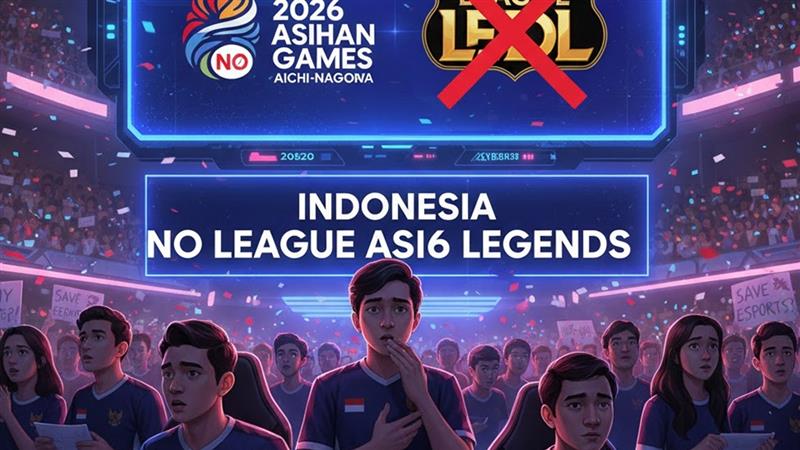
The ENC announcement lands in an esports moment where national representation is already a live conversation. The Asian Games League of Legends withdrawals by Japan, Thailand, and Indonesia highlight the resource constraints affecting national programs across Southeast Asia. The ENC’s mobile-first title selection—Honor of Kings and Mobile Legends: Bang Bang alongside the PC titles—offers those same nations more accessible entry points that don’t require the infrastructure investment that PC MOBA programs demand.
India enters the ENC conversation with genuine competitive strengths across multiple confirmed titles. Chess is perhaps the most obvious—India has produced world-class chess talent for decades, and the competitive infrastructure for national team representation already exists. Mobile Legends: Bang Bang has a growing Indian competitive scene. PUBG Mobile, while not yet confirmed in the first eight titles, represents another area of demonstrated Indian competitive strength as the remaining eight games are announced.
Saudi Arabia’s position as host continues the Gulf state’s aggressive investment in establishing the Middle East as a global esports hub. Following the Esports World Cup’s $60 million-plus prize pools, the ENC represents a different kind of investment—building structural frameworks for national competition rather than simply offering the largest prize money. The four-week Riyadh event will bring national delegations, media attention, and competitive prestige that reinforces the region’s emerging centrality to global esports.
What the Full Lineup Will Reveal
The eight remaining title announcements carry significant weight. Whether PUBG Mobile makes the cut will determine Central and South Asian competitive stakes. Valorant’s potential inclusion would bring one of the most globally balanced competitive games into the national team format. League of Legends’ presence or absence—particularly interesting given the Asian Games withdrawals—will signal how the EWCF is thinking about PC MOBA representation.
The genre balance of the full 16-game slate will either reinforce or complicate the accessibility narrative the first eight titles are building. If the remaining titles skew heavily toward PC and console games requiring significant hardware investment, the mobile-inclusive diversity of the first announcement becomes less structurally significant. If they maintain the balance, the ENC could genuinely represent the full global diversity of competitive gaming.
The qualification pathways opening in coming weeks will test whether the national team framework produces the meritocratic access the EWCF is promising. For smaller esports nations, the ENC represents an opportunity to compete on a global stage that club-based international circuits rarely provide. How qualification is structured—whether it genuinely opens pathways for competitive players from non-traditional esports markets or concentrates representation among already-dominant nations—will determine whether the tournament delivers on its democratic promise.
For now, the first eight titles establish a genuinely ambitious vision: an esports tournament that looks like the Olympics in structure, feels like the World Cup in national passion, and reaches the full global diversity of competitive gaming in its title selection. November in Riyadh will reveal whether the execution matches the ambition.