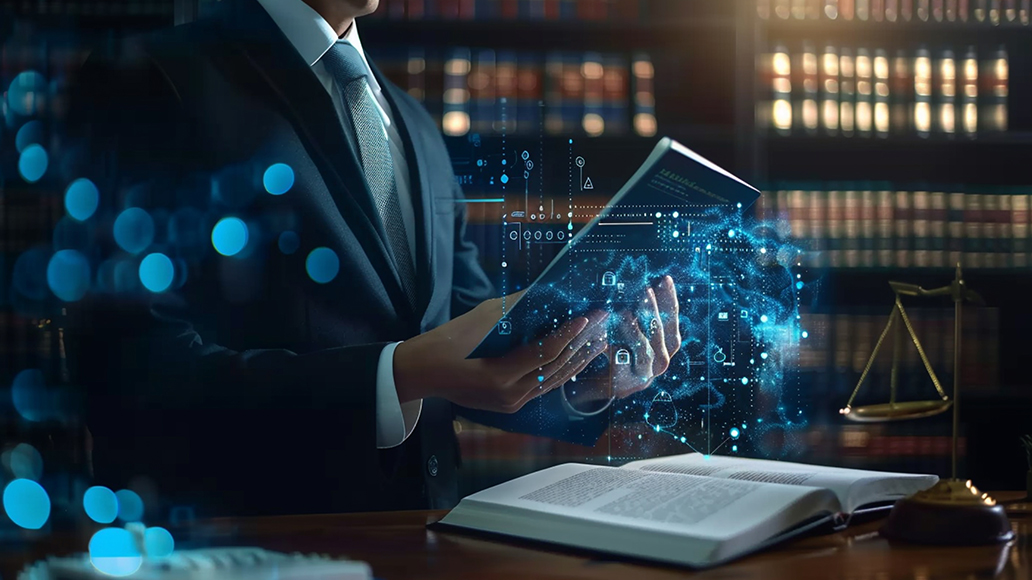


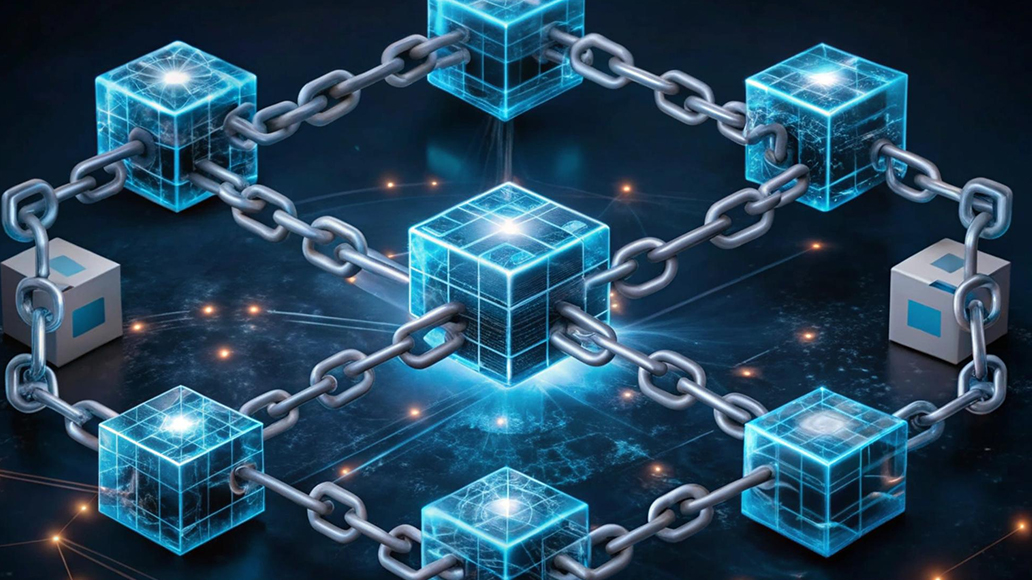
Blockchain technology is changing the way intellectual property is protected. Digital artists are now able to prove ownership and earn from their work with ease. The technology has ensured the protection of digital creativity from rampant online infringement.
Intellectual property is stolen every day as images and music go viral. Copyrights have proven to be ineffective and time-consuming in court cases. Technology is changing this by creating unique digital fingerprints from files. IPFS is storing art and other creative work in a decentralized manner, preventing censorship and hacking. NFTs are an example of how well the technology is working.
The French court in Marseille in 2025 recognized blockchain timestamps as evidence. The WIPO Blockchain Task Force is creating IP protocol with over 300 registries testing verification. EUIPO is researching the effectiveness of hybrids that combine blockchain with official registries. Smart contracts are now used to license intellectual property and have reduced disputes by 70%.
Smart Contracts Empower Creators Worldwide
Smart contracts execute automatically upon conditions met. Buyers trigger royalties instantly on secondary sales, bypassing agents. Ownership records remain tamper-proof, verifying authenticity for music or code. Photographers on KODAKOne upload images, gaining instant global proof without fees.
The challenges continue, but the solutions come. The jurisdictional gap remains a test of enforcement, but hybrid approaches dominate. Blockchain technology works alongside patents and trademarks. Creators register copyrights first, followed by the minting of NFTs with express terms. Watermarks and metadata carry ownership details long-term.
India also takes steps forward, acknowledging NFTs for digital art under existing IP laws. Global creators remain vigilant on marketplaces, seeking counsel on compliance. This is a new era for art collecting, where new artists from Lagos to Seoul can monetize their work.
Blockchain extends to trademarks and patents. Brands timestamp logos, preventing counterfeits. Inventors log prototypes, easing disputes. Future laws will standardize, as 2026 regulations evolve.
Digital creators thrive under this shield. Blockchain empowers equitable ecosystems where innovation flourishes freely. Register your work today—secure your creativity on the chain.
More Explore: Blockchain in Digital Identity – Securing Personal Data in the Online World