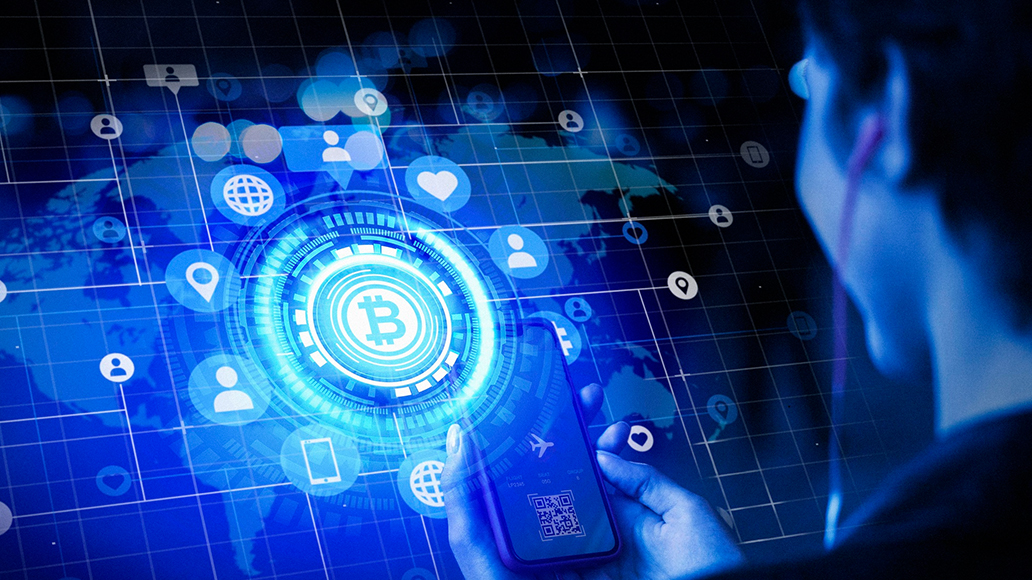


Blockchain revolutionizes the management of digital identity in the global community. Personal information is secured against breaches and cyber theft. Individuals have full authority over the information they share online daily. Hackers are thwarted by the use of cryptography in all transactions.
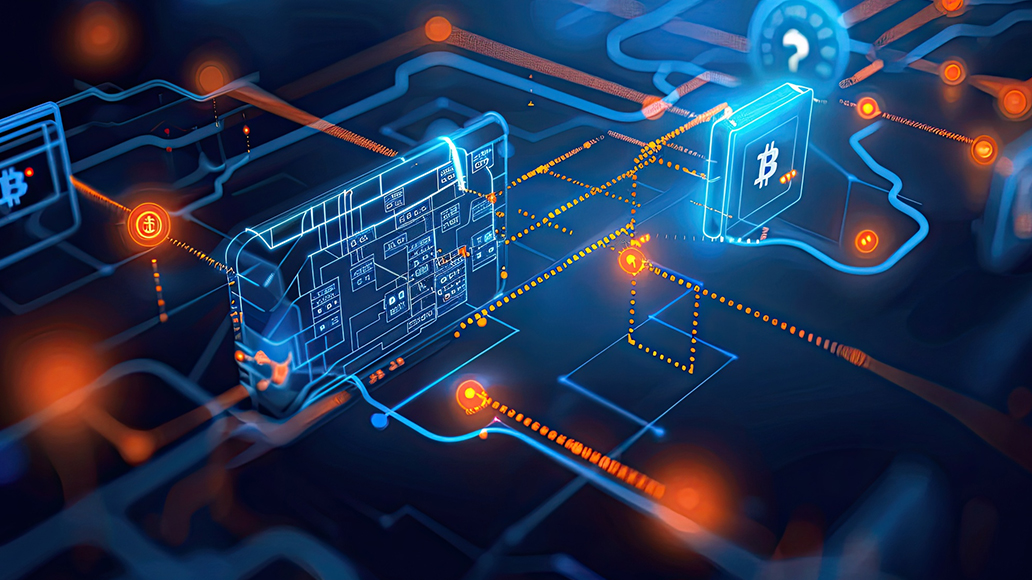
Traditional databases are vulnerable to the numerous cyber attacks that threaten global databases. Organizations store personal information in vulnerable databases, exposing them to massive breaches of personal data. Blockchain technology has solved this problem by providing a decentralized platform for sharing information.
Verifiable credentials like passports and diplomas are stored in the virtual wallet without exposing the owner to additional information. Individuals can share selective information with the required services instantaneously. Privacy is promoted by the ability of the individual to own the information they share online daily.
Governments are using blockchain technology for the efficient management of national identity cards. Estonia’s e-Residency is a successful example of the use of blockchain in the creation of tamper-proof identity cards. People can access national services without the requirement for physical documents.
Key Benefits and Real-World Applications
Businesses use blockchain technology for the purpose of simplifying the KYC process significantly. Banks are able to verify their customers within minutes rather than days using an immutable audit trail. The rate of fraud is reduced significantly since the documents cannot be forged. Compliance teams audit transactions with full transparency.
Healthcare providers secure patient records on blockchain networks. Doctors access histories with patient consent only. Records follow individuals across borders seamlessly. Interoperability reduces errors in treatment plans significantly.
Financial inclusion surges for unbanked populations globally. Blockchain enables identity proofs via mobile devices alone. Refugees prove credentials without documents lost in transit. Microlenders extend services based on verified digital profiles reliably.
Challenges persist, yet solutions emerge rapidly. Scalability improves with layer-2 protocols handling millions of verifications. Interoperability standards like DID unite disparate systems. User interfaces simplify adoption for non-tech-savvy individuals.
Privacy enhances through zero-knowledge proofs brilliantly. Verifiers confirm facts without seeing underlying data. Age checks pass without birthday disclosure, for instance. Regulations like GDPR align perfectly with user-centric models.
Future integrations promise even more. Biometrics link to blockchain wallets securely. AI analyzes patterns without compromising anonymity. Metaverses demand robust identities; blockchain delivers them flawlessly.
Developers build on platforms like Ethereum and Hyperledger confidently. Open-source technology speeds up innovation on a daily basis. Everyone, from governments to companies to individuals, agrees on the paradigm shift.
Blockchain gives people the power to own their digital self truly, Personal data stays safe amid rising online threats perpetually. Embrace this technology; secure your identity today.
Read More: Global Banks Accelerate Blockchain Adoption in 2026