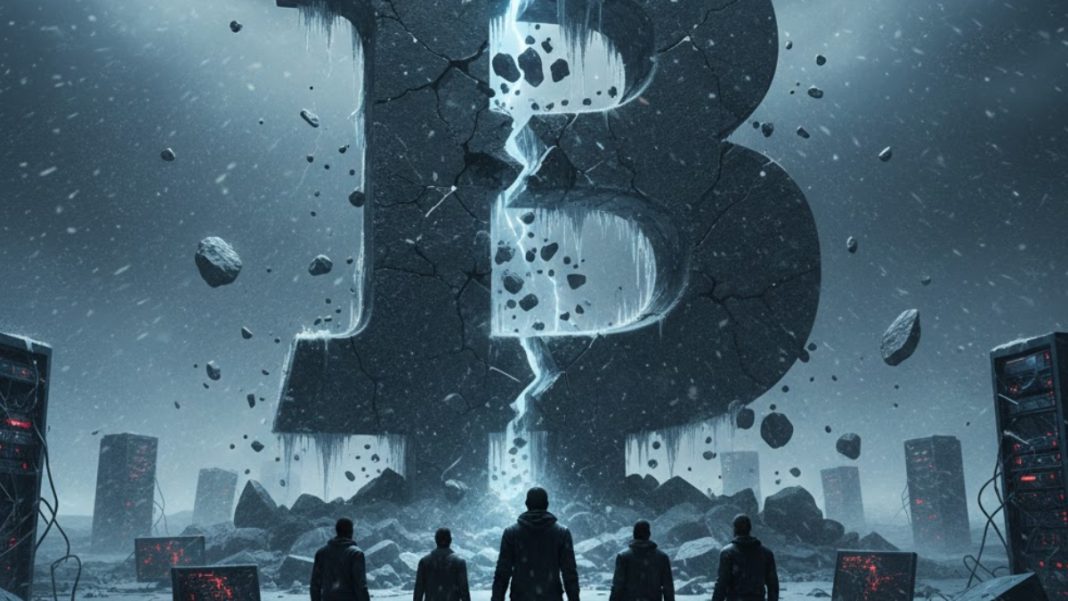



Bitcoin’s price dropped to its lowest point since Trump took office in January 2025. It was around $60,000 in early February 2026. According to the BBC, that’s a gut punch from the $126k peak in October. It wipes out all the excitement about the election and the promises to support crypto. The whole crypto market has lost more than $1 trillion in value since its highs, and Ether and other altcoins have lost even more. Fear & Greed is stuck at 6 (extreme fear), and the RSI is scraping 18 in oversold hell. People who bought into Trump’s campaign because they were afraid of missing out are now facing a harsh reality: macro forces don’t care about policy dreams.
Things went bad quickly after Fed Chairman Powell’s call on January 28 to keep rates where they are, which killed hopes for a cut because inflation is still high. Trump chose Kevin Warsh, who is known for being stingy, to take his place. Set off the worst four-day dump since 2018, breaking through the 50-week MA. BTC broke through the $70,000 support level, then the $65,000 level, and then the $60,000 level before the inauguration. Liquidity is so thin that every little move is magnified as leveraged longs get wrecked in billion-dollar cascades. Miners started dumping like crazy when their rewards were cut in half and their power bills went through the roof.
Ironically, Trump’s own actions set off the fire. Putting 25% tariffs on Mexico and Canada and threatening 100% on China—boom, inflation panic, the dollar goes up, and risky assets like BTC get stomped. There’s no “digital gold” here; it’s down 28% this year, while real gold is up 72%, and they both move in lockstep with the Nasdaq during the tech unwind. After the election, it spent more than $100,000 on dreams of a national BTC/ETH reserve and the GENIUS Act deregulation. But ETFs changed: $12 billion has left since the highs, and BlackRock’s IBIT and Fidelity are losing money. Institutions stopped taking risks, VC money disappeared, and retail panic grew.
Bigger cracks go deep. BTC failed to protect against inflation, acting like stocks during the AI bubble and global selloffs. What are quantum threats? Bitwise and his team are rushing to get upgrades before a supercomputer breaks the network. The vibes from the halving cycle scream “take profits after the peak.” Bears are predicting 60% more pain at $40,000 to $50,000. Exchange volumes are down 70%, governance drama is back, and miners are leaving for AI jobs. Trump’s $11 billion crypto bag is being looked at closely, and his push to get rid of regulations is at odds with inflation caused by tariffs. The bull case is gone.
What comes next? Gloom with flashes of light. Kaiko and VanEck blame deleveraging, ETF exits, and macro drag, but oversold screams bounce. BTC has bounced back from worse winters, and bulls are betting on a snapback in Q2 if the Fed backs down or tariffs ease. Whales are buying under $65,000, betting on reserves to back them up. Still, the dollar’s dominance could lead to an endless winter. Exchanges losing money, startups laying off workers, miners merging or going out of business. This $60,000 floor is the HODLer Armageddon, which means that crypto has to grow up beyond hype. Volatility is king, and smart money looks for support levels to flip. Forget the fairy tales and play the basics, or you’ll get rekt.